
Euro 7 explained: exhaust, brakes, tyres and battery durability
What the EU's Euro 7 regulation changes for new cars, including non-exhaust particles and electric-car battery durability.
What changes
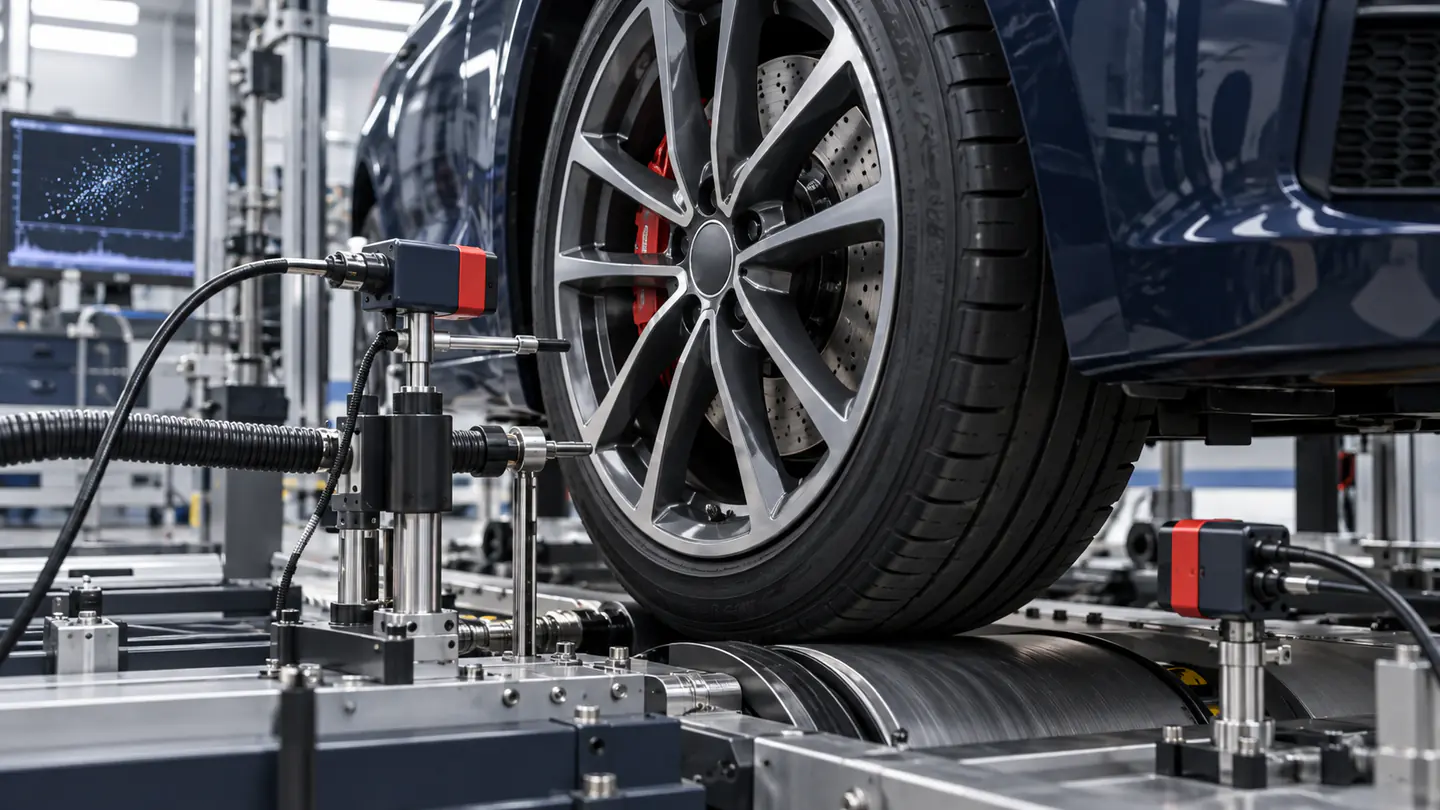
For passenger cars and vans, Euro 7 retains familiar pollutant limits while adding requirements outside the exhaust. Brake wear and tyre abrasion matter for combustion, hybrid and electric vehicles alike. Battery durability requirements aim to make electric performance more transparent over time.
Why dates need care
The regulation uses different application dates for new vehicle types and all new registrations, with further timing differences for heavier vehicles and small-volume manufacturers. Do not rely on a seller's loose 'Euro 7 ready' phrase; ask for the official type approval and market documentation.
What a buyer should do
Euro 7 does not make an older approved car illegal by itself. When comparing new cars, request the emissions standard, first-registration date and environmental information for the exact version. For used cars, condition and local registration rules remain central.
Sources
Sources checked: September 22, 2026
Editorial policy